An infusion pump designed to cut human input error, and with it, the alarm fatigue that follows.
Project
Individual honours thesis
My role
Design research, concept development, CAD, prototyping and rendering
Field
Medical devices, human-centred design
Deliverables
Thesis, technical drawings, 3D model, presentation model
At a glance
01
Problem
Up to 95% of medical device alarms are clinically irrelevant, and most trace back to avoidable input errors.
02
Research
Nurse workflows, the hospital soundscape, site visits and other high-risk industries.
03
Solution
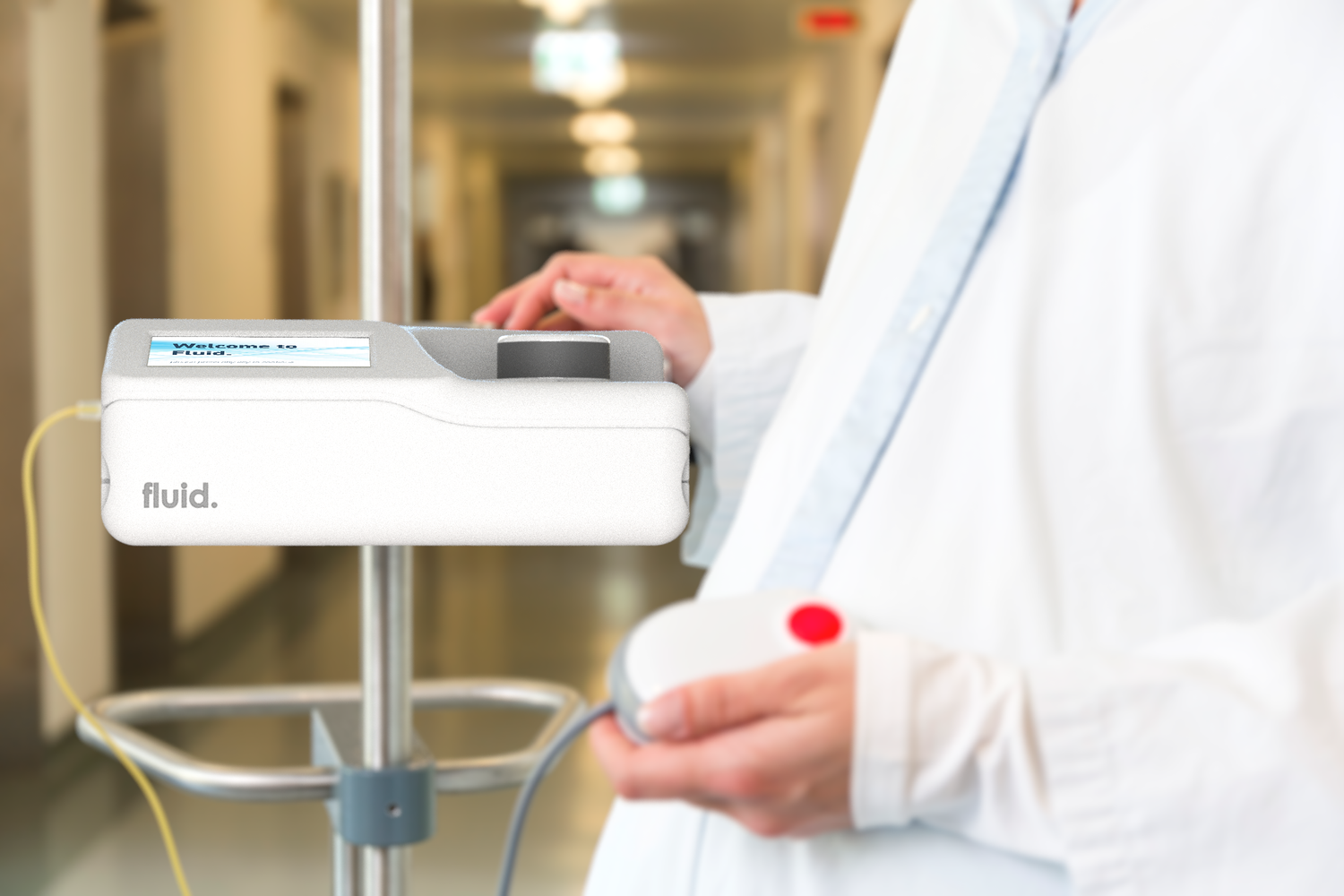
A pump that links patient, drug and caregiver by RFID, runs on one dial and mounts in one motion.
04
Outcome
Presentation model, technical drawings and thesis, shown at QUT Design Festival.
01
The problem
Alarms nobody can trust
Alarm fatigue happens when caregivers are overwhelmed or desensitised by the sheer number of alarm signals. In hospitals it leads to delayed care, missed alarms, and alarms turned down, silenced or disabled altogether (Graham & Cvach, 2010).
The result compromises patient safety and breaks up the workflow of the people providing care. So what is causing all these alarms?
Up to 95%
of alarm signals are nuisance alarms: clinically irrelevant, and they undermine the safety features they belong to.
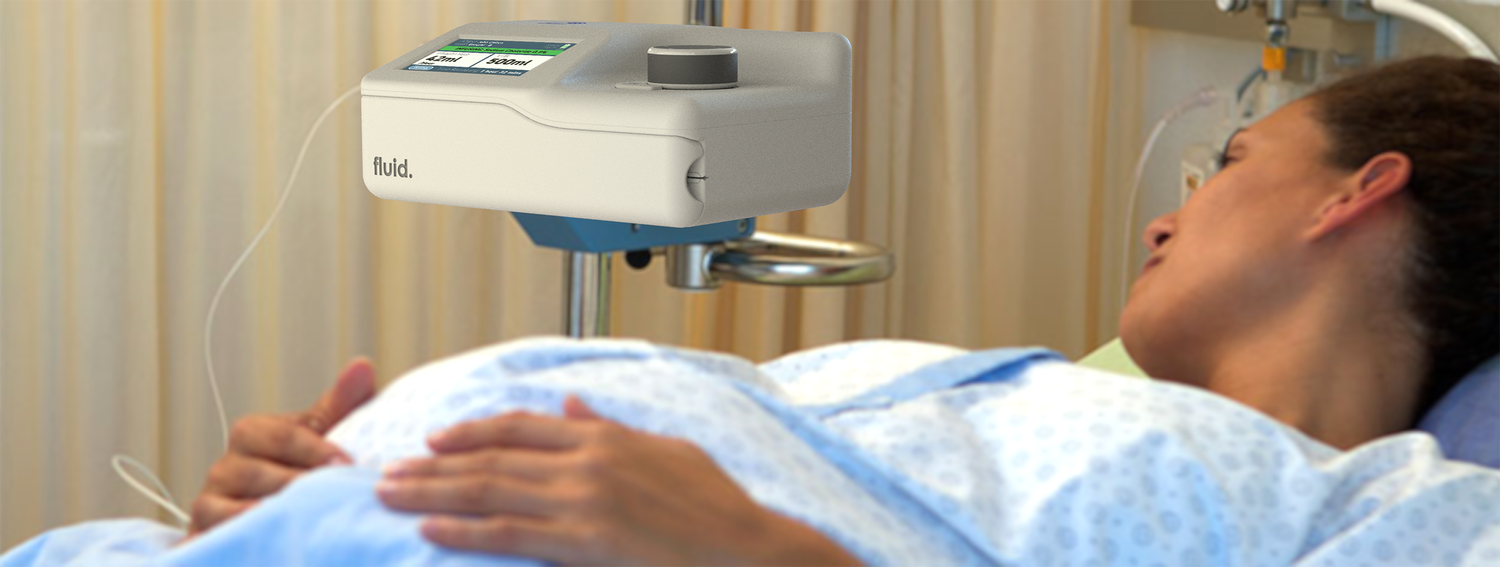
Infusion therapy at the bedside
02
Research
Following the alarms back to their source
I set out to understand alarm fatigue first-hand by looking at the current state of alarming medical devices, frustrations with the hospital soundscape, and how other high-risk industries manage alarms, design and workflows.
Research questions
Q1What is the workflow of nurses, and how do alarming medical devices impinge on their duty of care?
Q2What are the main contributors to the hospital noise load, and how can they be reduced?
Q3What can we learn from other high-risk industries that involve alarming systems and devices?
Main contributors to hospital noise
Infusion pumps
Spatial arrangement, capacity and built environment
Metal tools and equipment (stainless steel)
Most device alarms traced back to design
Discoverability, menu navigation, workflows, ergonomics
Human input errors
Nuisance alarms
Alarm fatigue
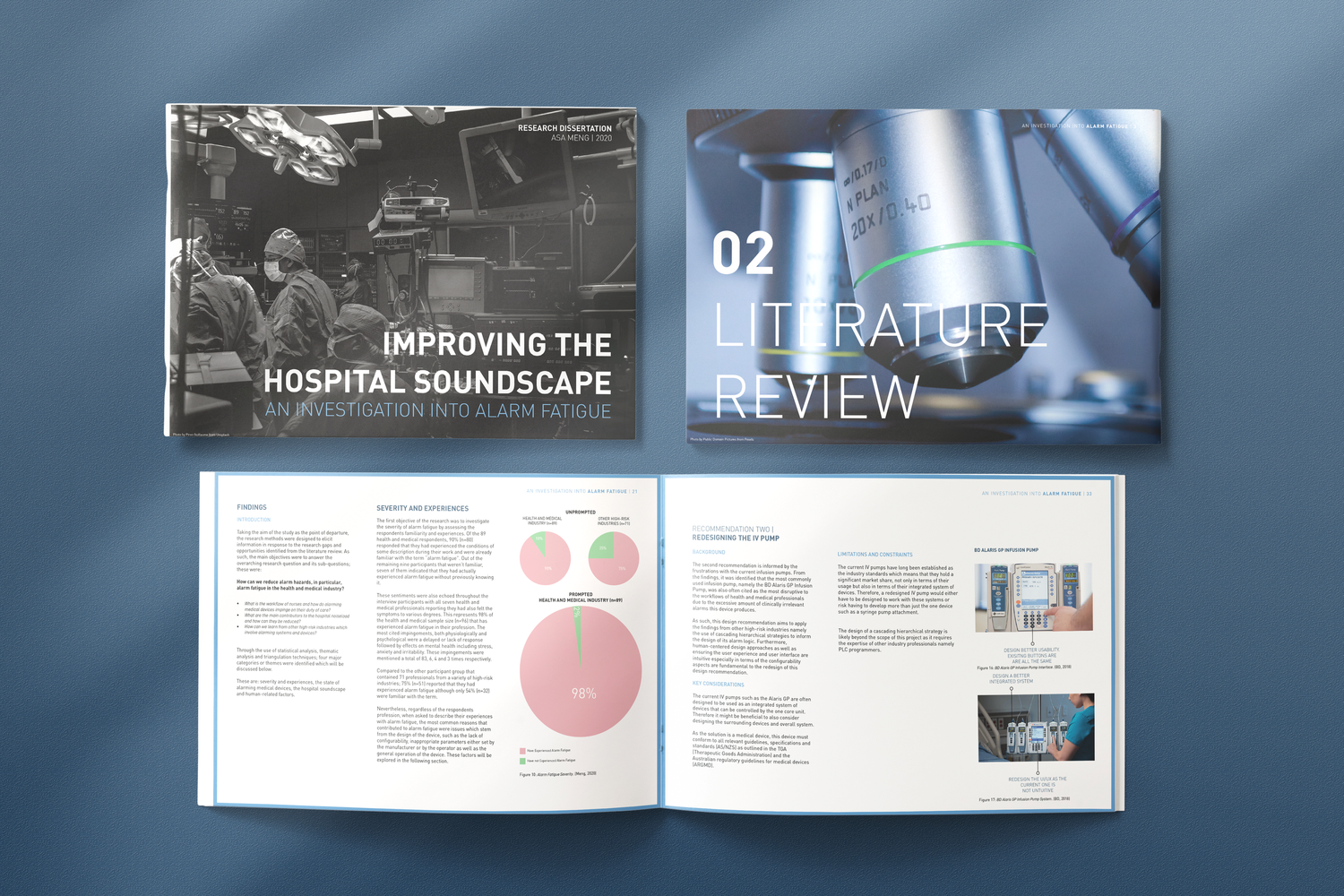
Honours thesis
03
Approach
Design out the error, not the alarm
The brief
Design a product, system or service for hospital health providers that minimises human input error, reducing alarm fatigue, improving the hospital soundscape and potentially supporting patient recovery.
Objectives
01Improve the hospital soundscape by minimising the risk of human input error and alarm fatigue
02Aid patient recovery where applicable
03Let the operator configure every parameter for individual patient and caregiver needs
Borrowing interactions people already trust
Hospital ID cards
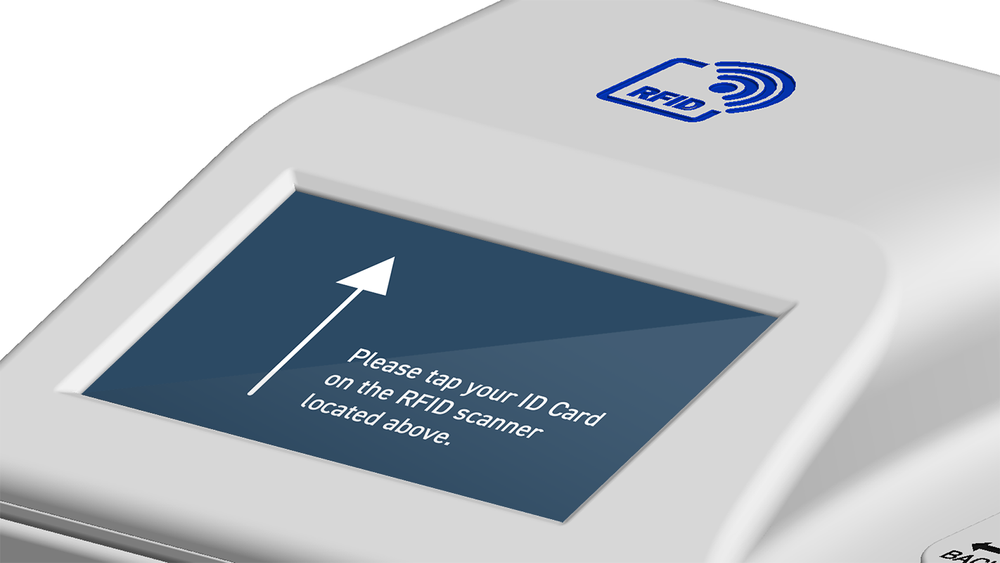
RFID is already in many hospital identification cards, so orders can travel without handwriting.
Car infotainment
Rotary controllers like BMW iDrive and Mazda Connect are intuitive to learn and operate.
Camera tripods
Arca-Swiss style plates mount and release equipment in a single motion.
04
Solution
Fluid
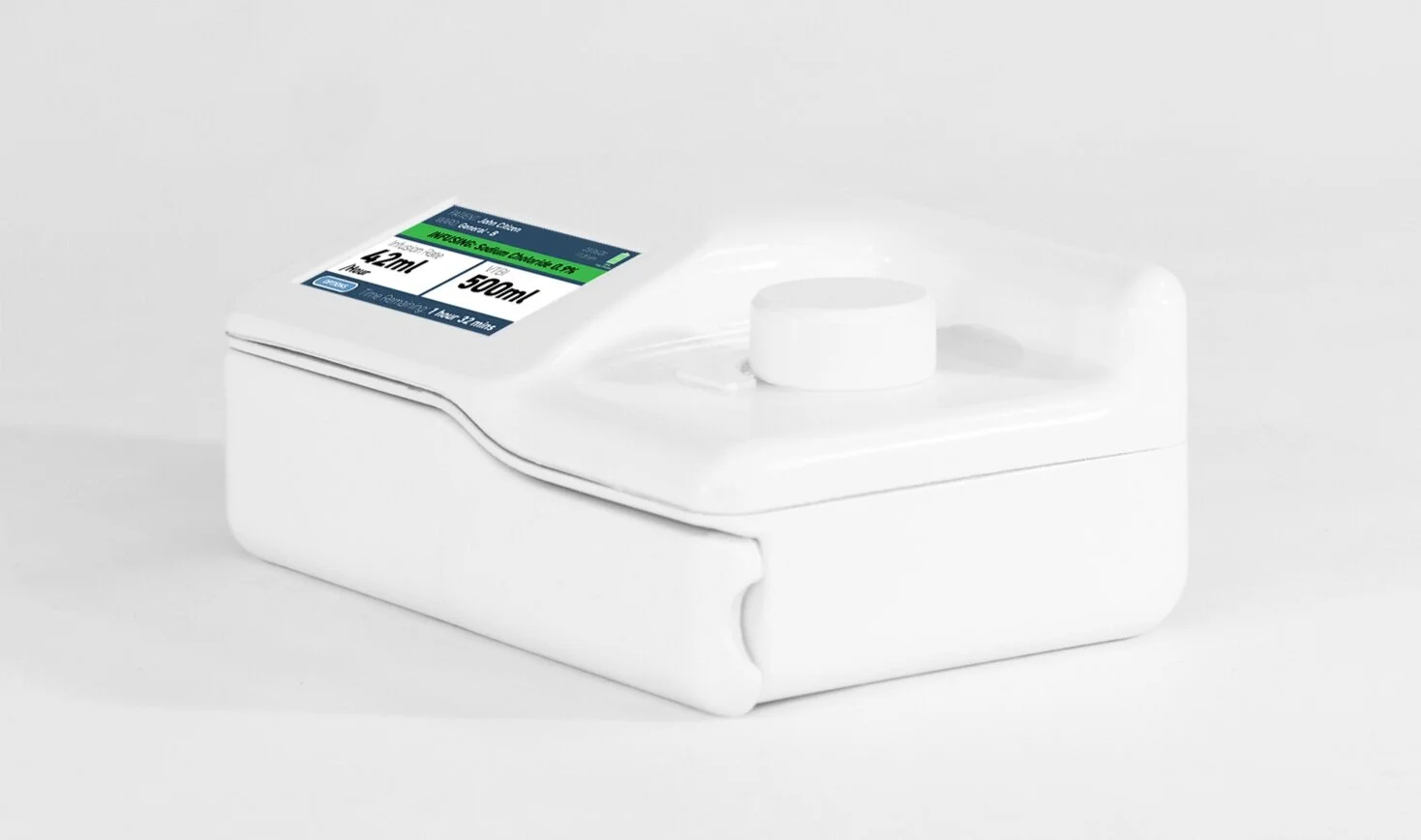
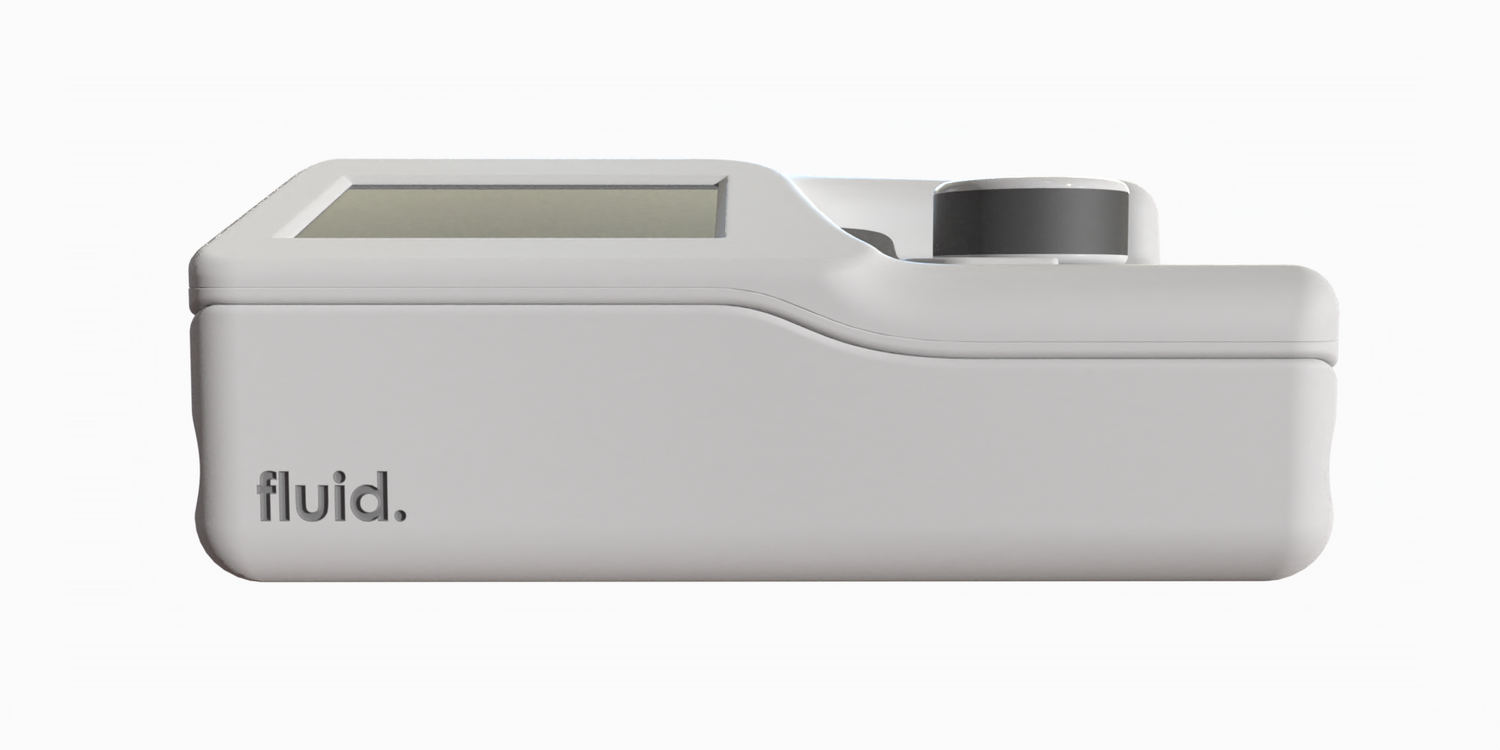
A large-volume infusion pump that rethinks the workflow of infusion therapy, minimising set-up and operating time so caregivers can spend more of it at the bedside.
01Streamlining the workflow
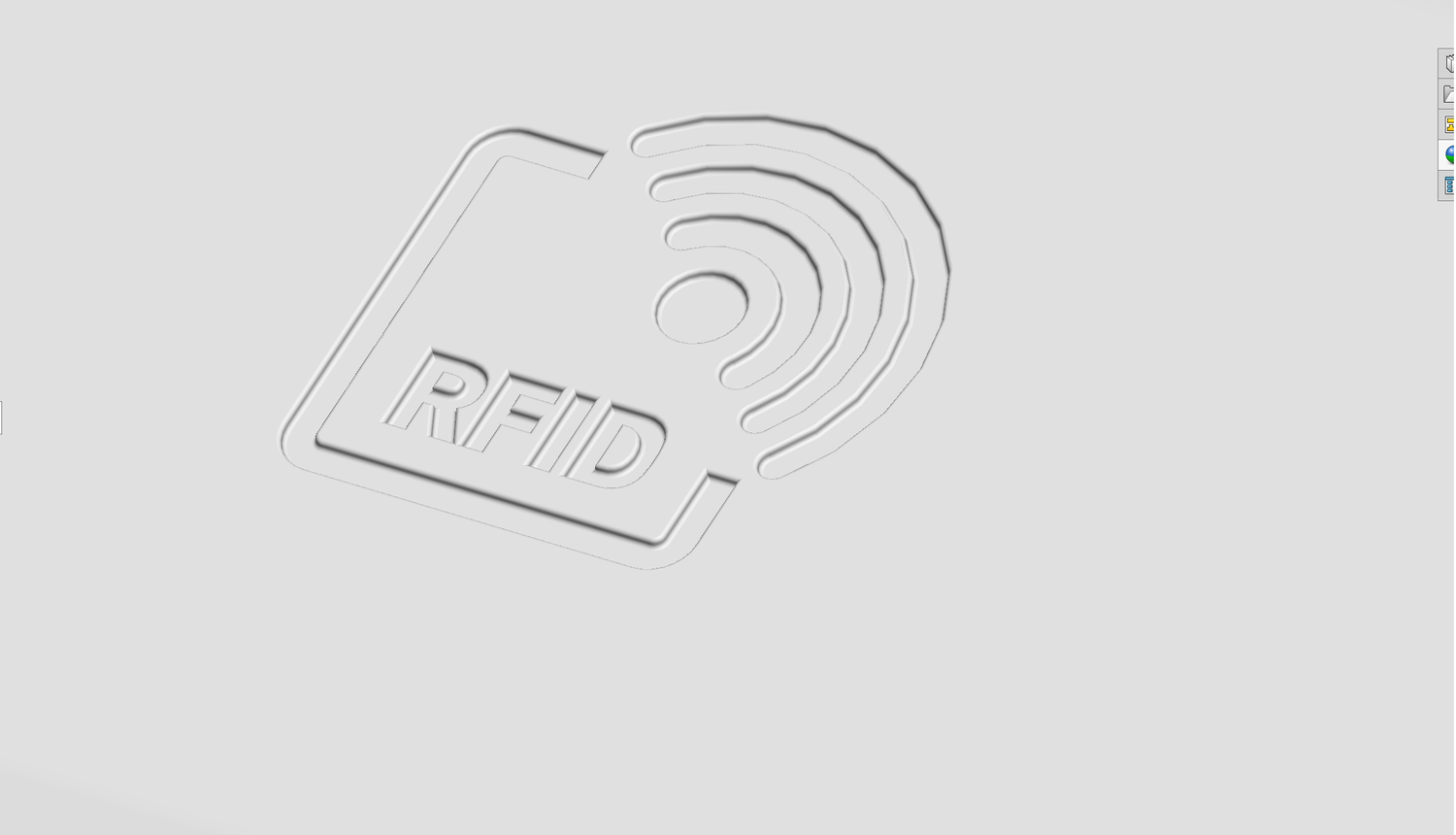
RFID links patient, drug and caregiver
The doctor sends patient and drug information wirelessly to the caregiver’s ID card and the pump. This replaces handwritten orders and sharply reduces the chance of entering the wrong parameters or infusing the wrong drug.
02Simplifying operation
One dial instead of soft keys
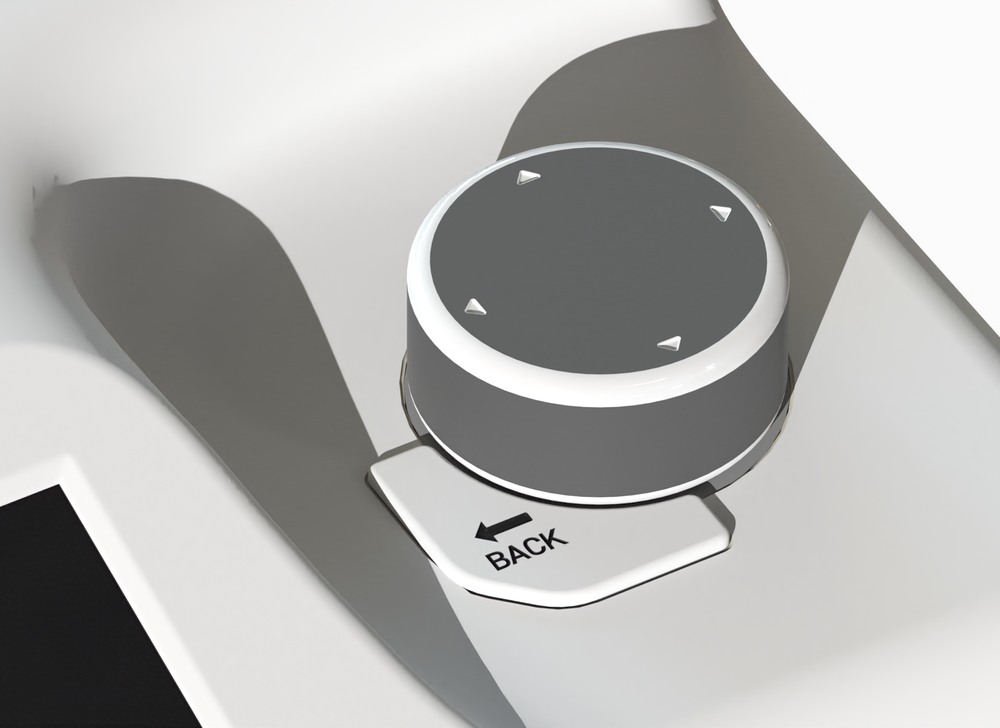
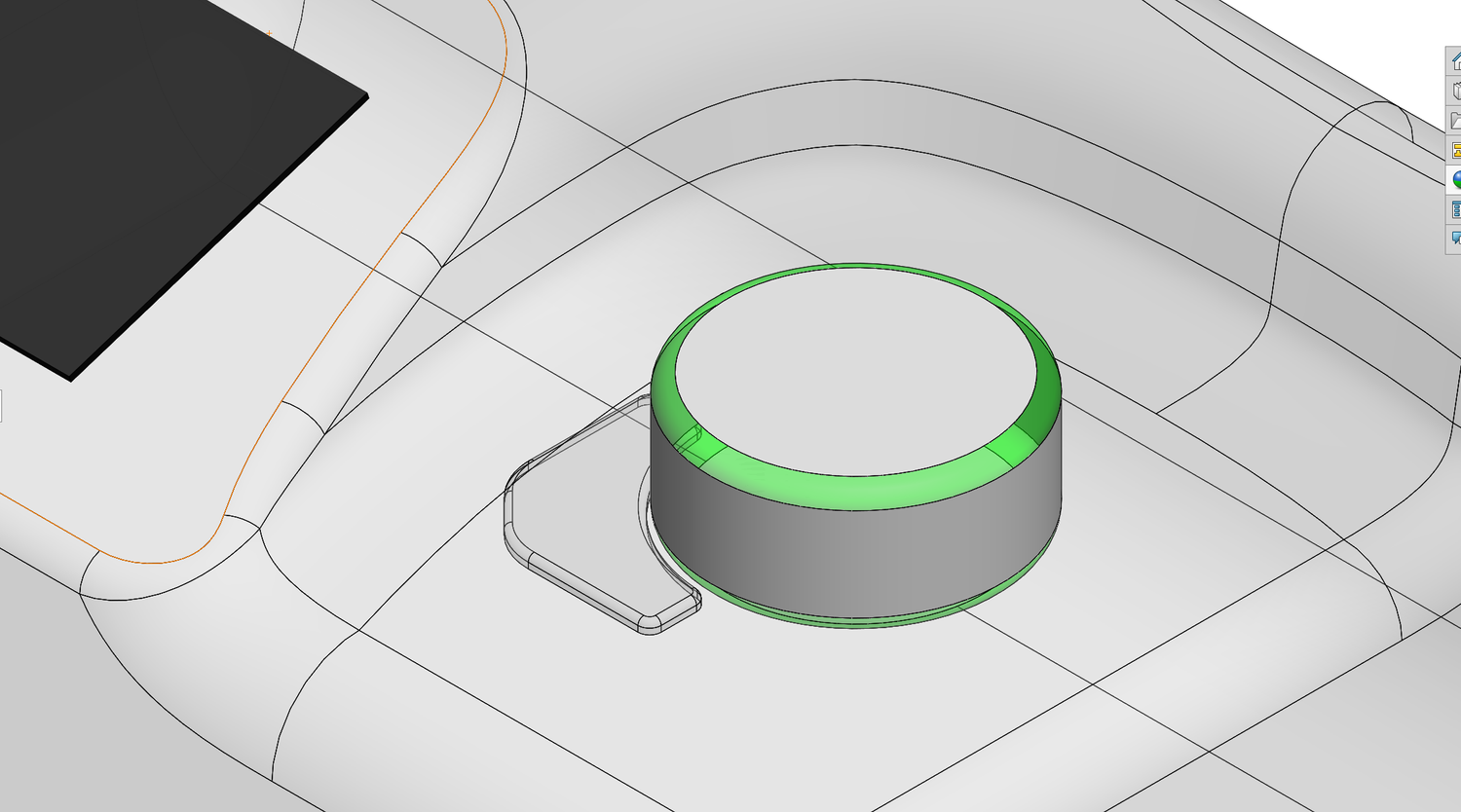
Confusing labelled soft keys are replaced by a four-way rotating dial and a single, ergonomically placed back button, so every parameter can be set without hesitation.
03Mounting
Drop on, lift off
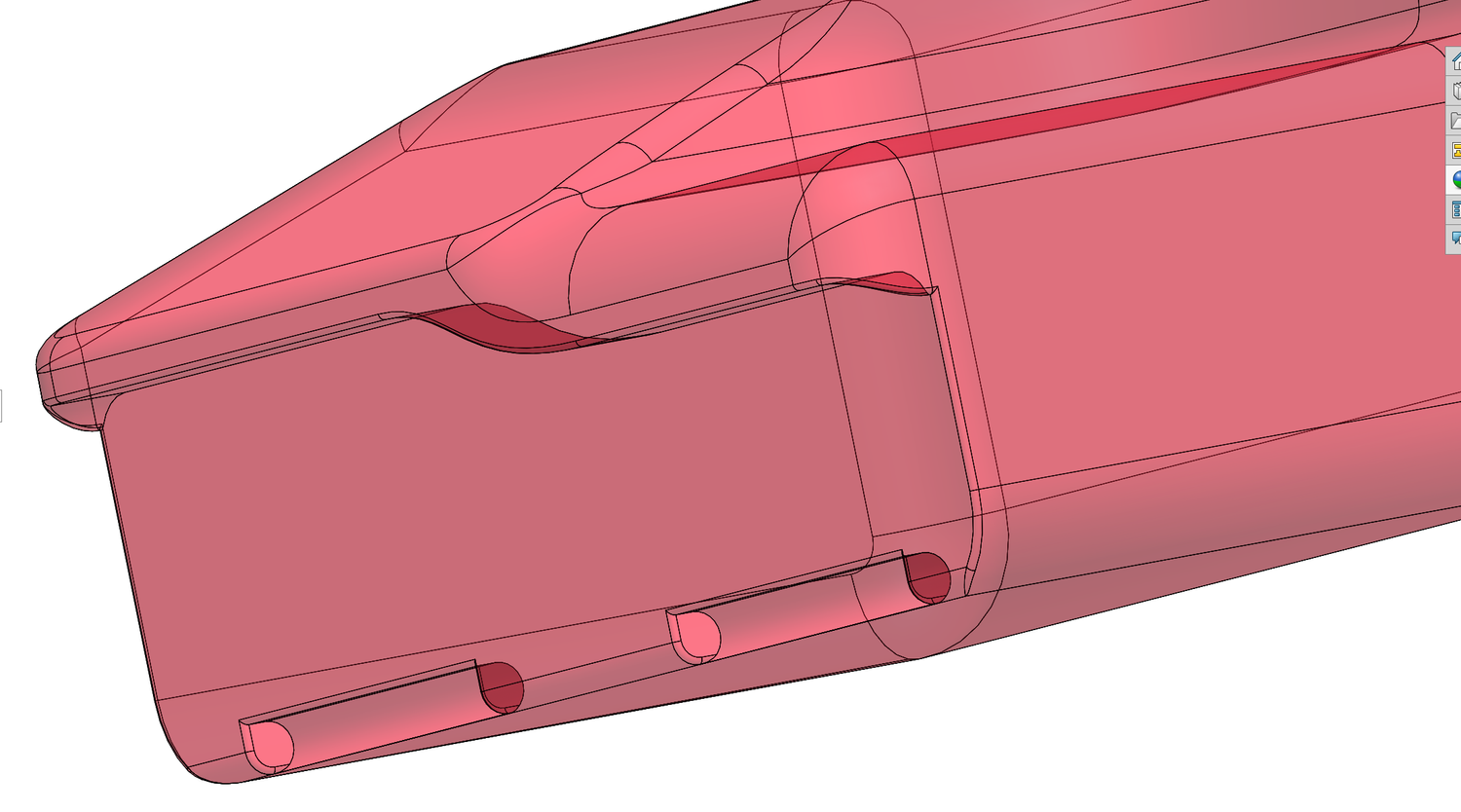
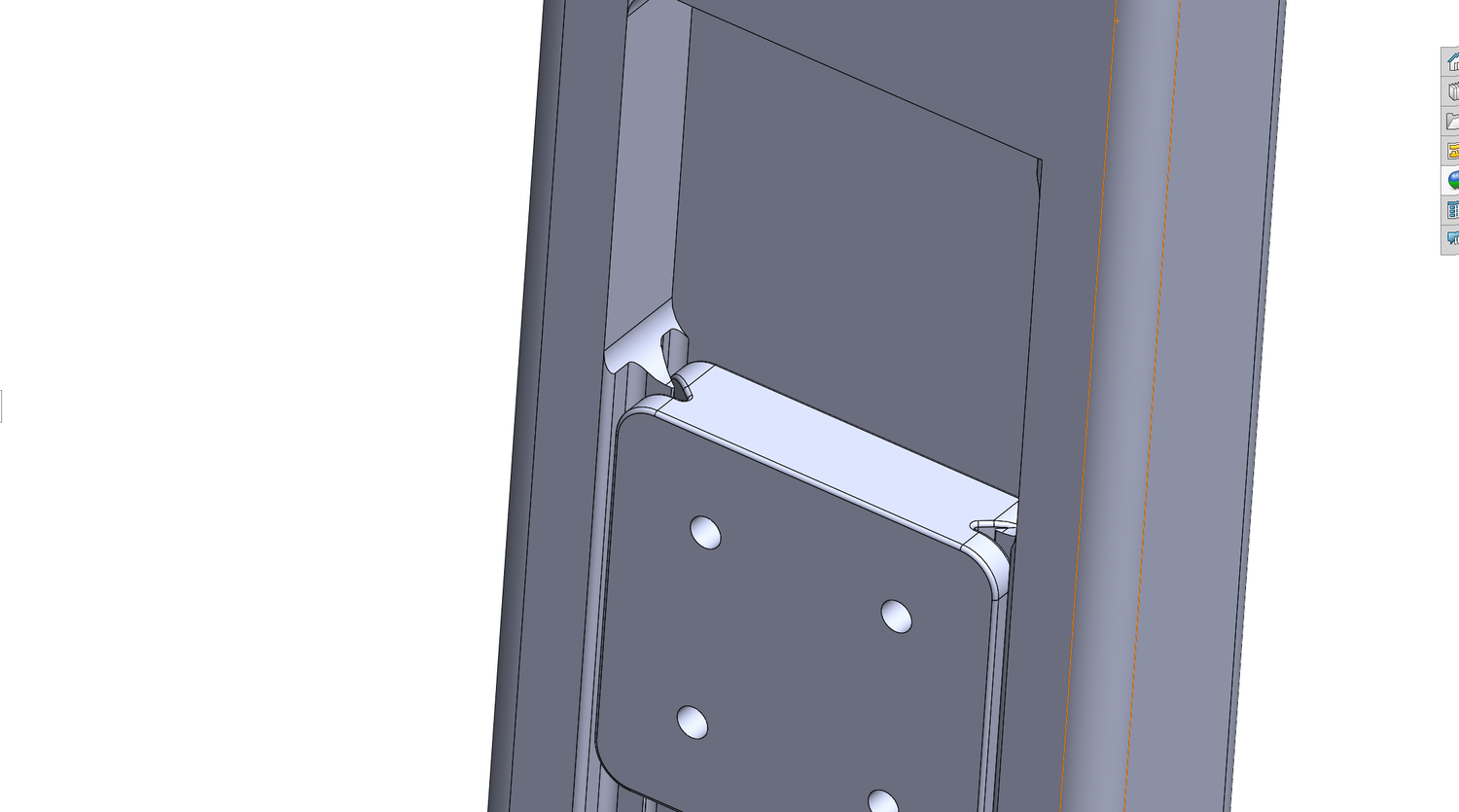
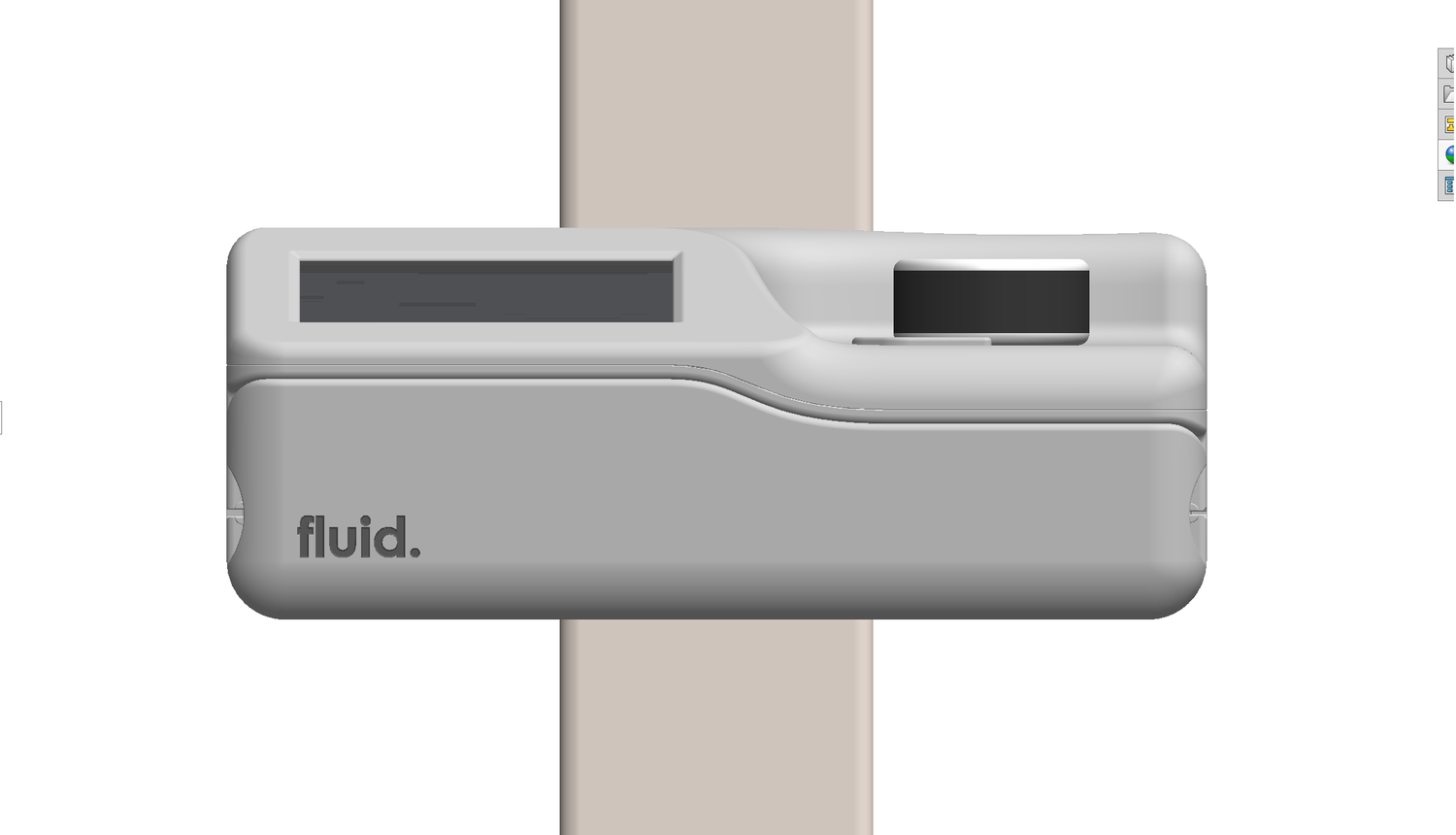
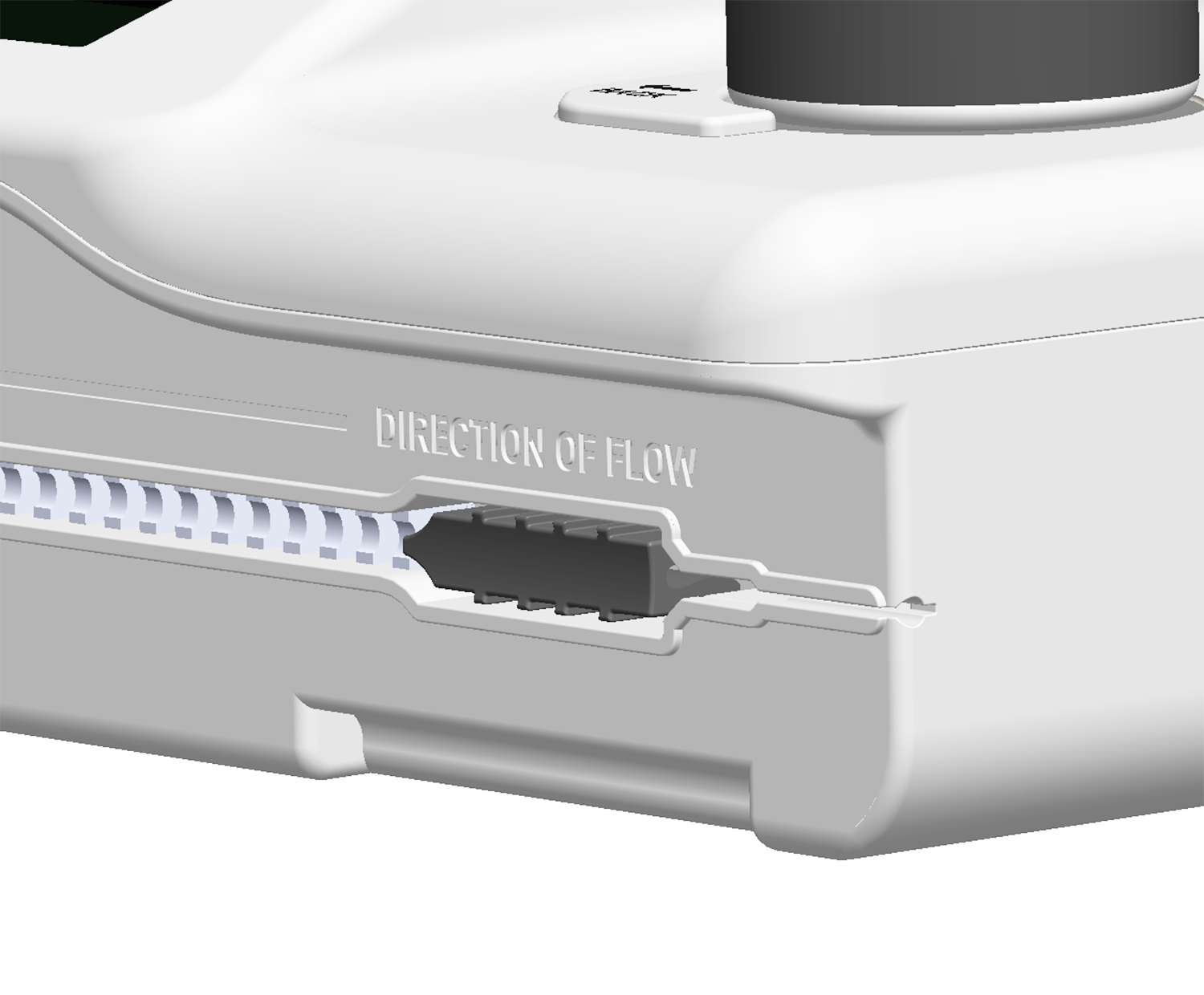
Site visits showed nurses balancing the pump in one hand while twisting a C-clamp with the other. An Arca-Swiss style plate means the pump now drops into the rail at the chosen height, and lifts off with both hands.
04Power
All-day, untethered infusions
A single USB-C port handles data and charging, replacing a proprietary data port and AC socket. With a 20,000 mAh LiPo battery, rated battery life is over four times that of existing devices, and the pump is lighter and recharges faster.
05Ergonomics
Readable from every working height
The large display is angled towards the caregiver rather than set flat on the front face, so time-critical information can be read at the bedside. Every button, groove and dial is designed for universal access.
06Interface
Critical information first
Large, bold, high-contrast text and clearly defined units of measurement put the most important values in front of the operator during therapy.
05
Making
Iterating through making
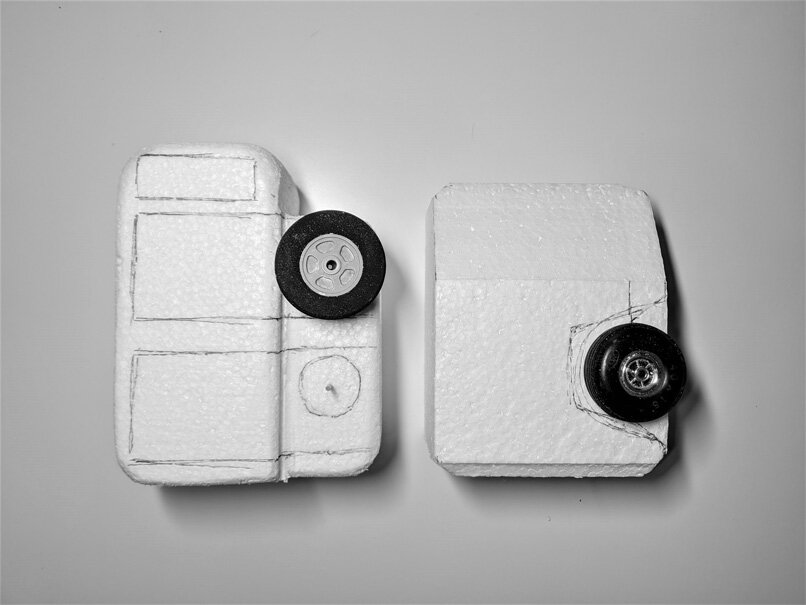
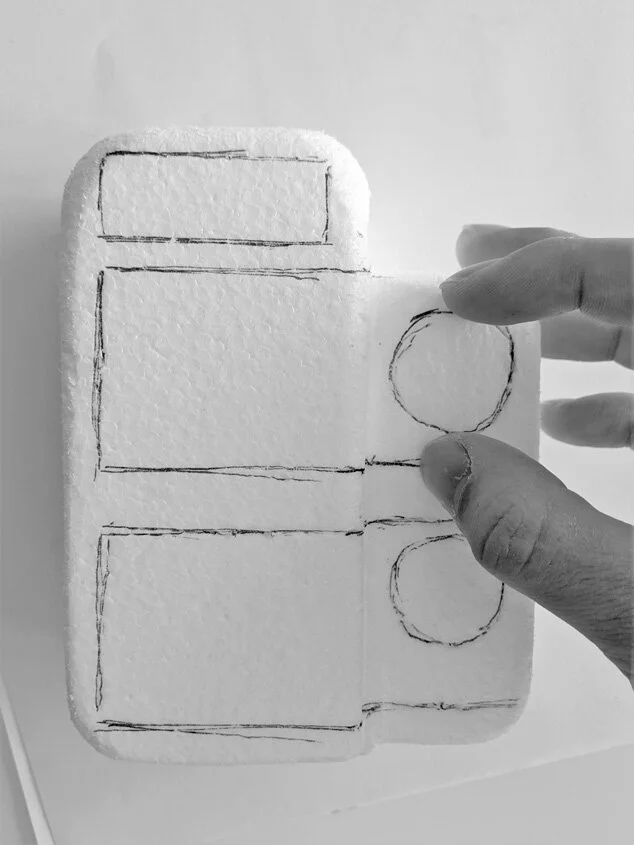
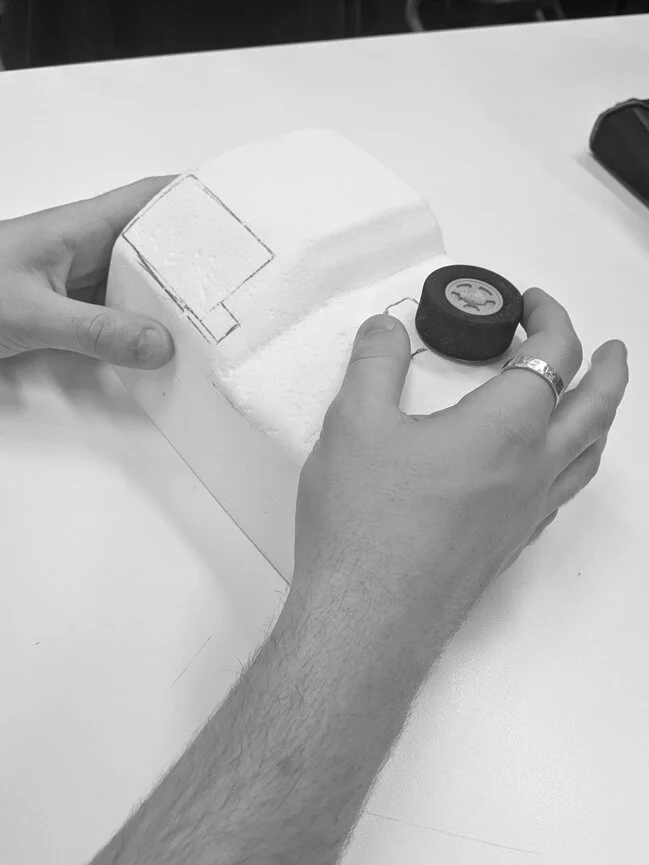
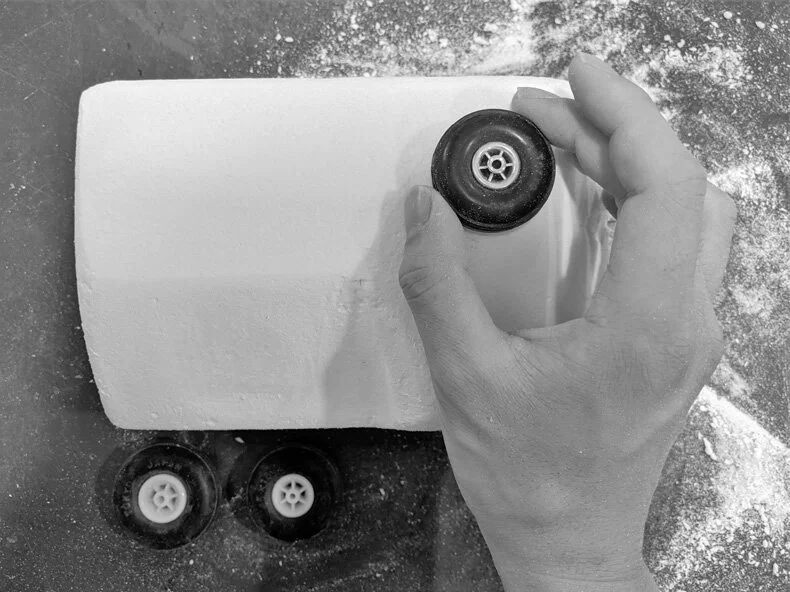
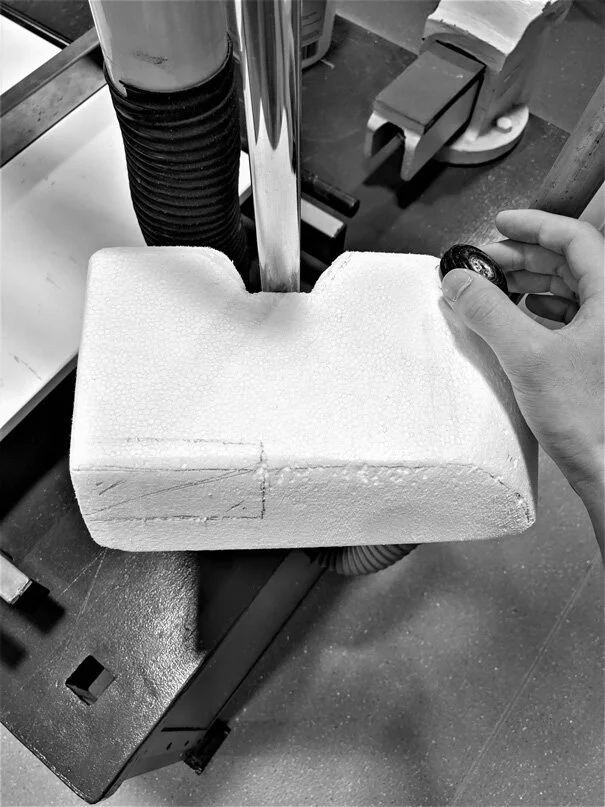
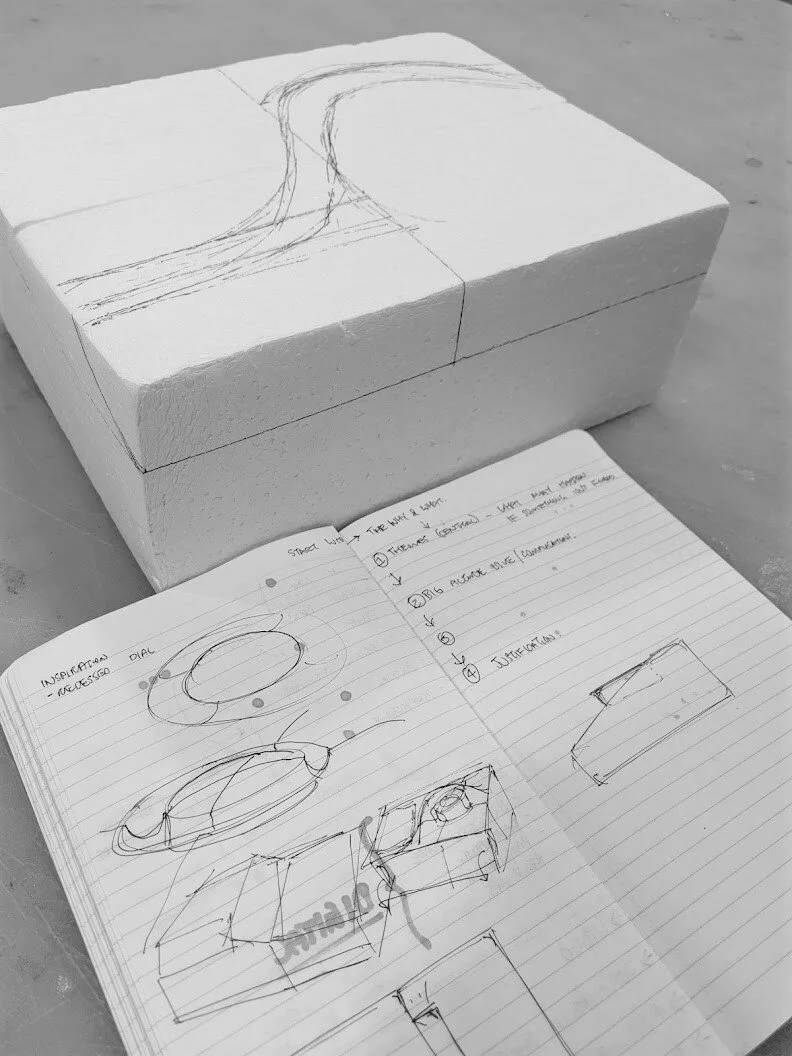
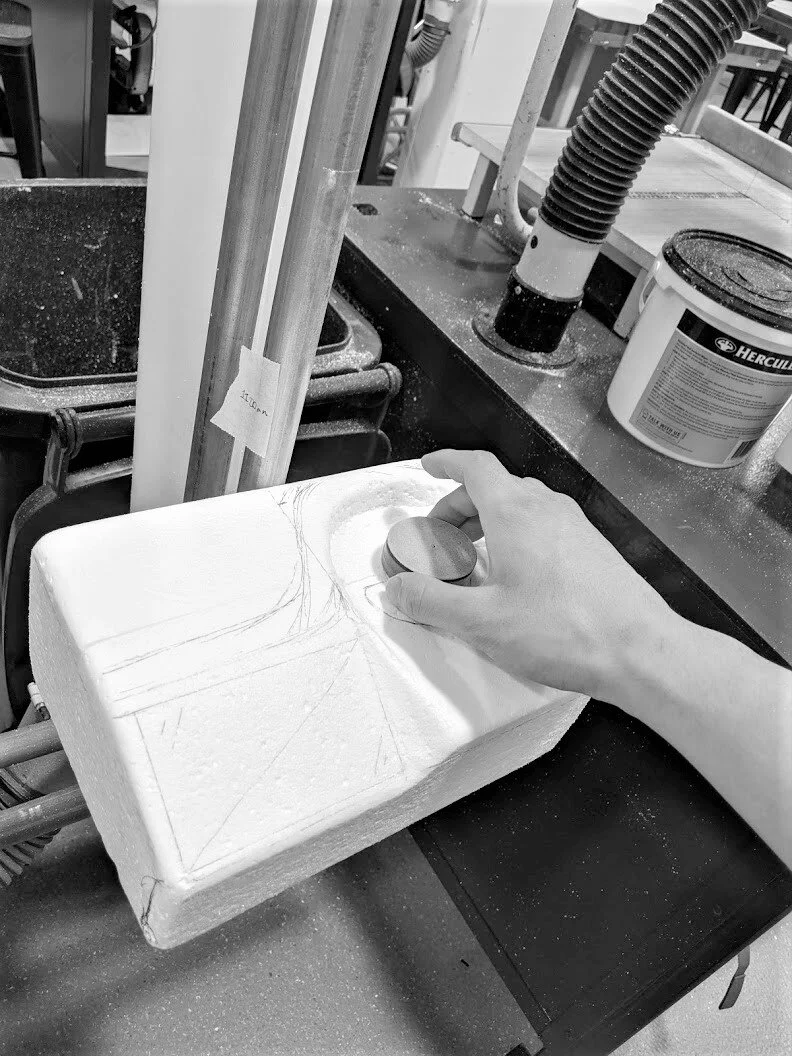
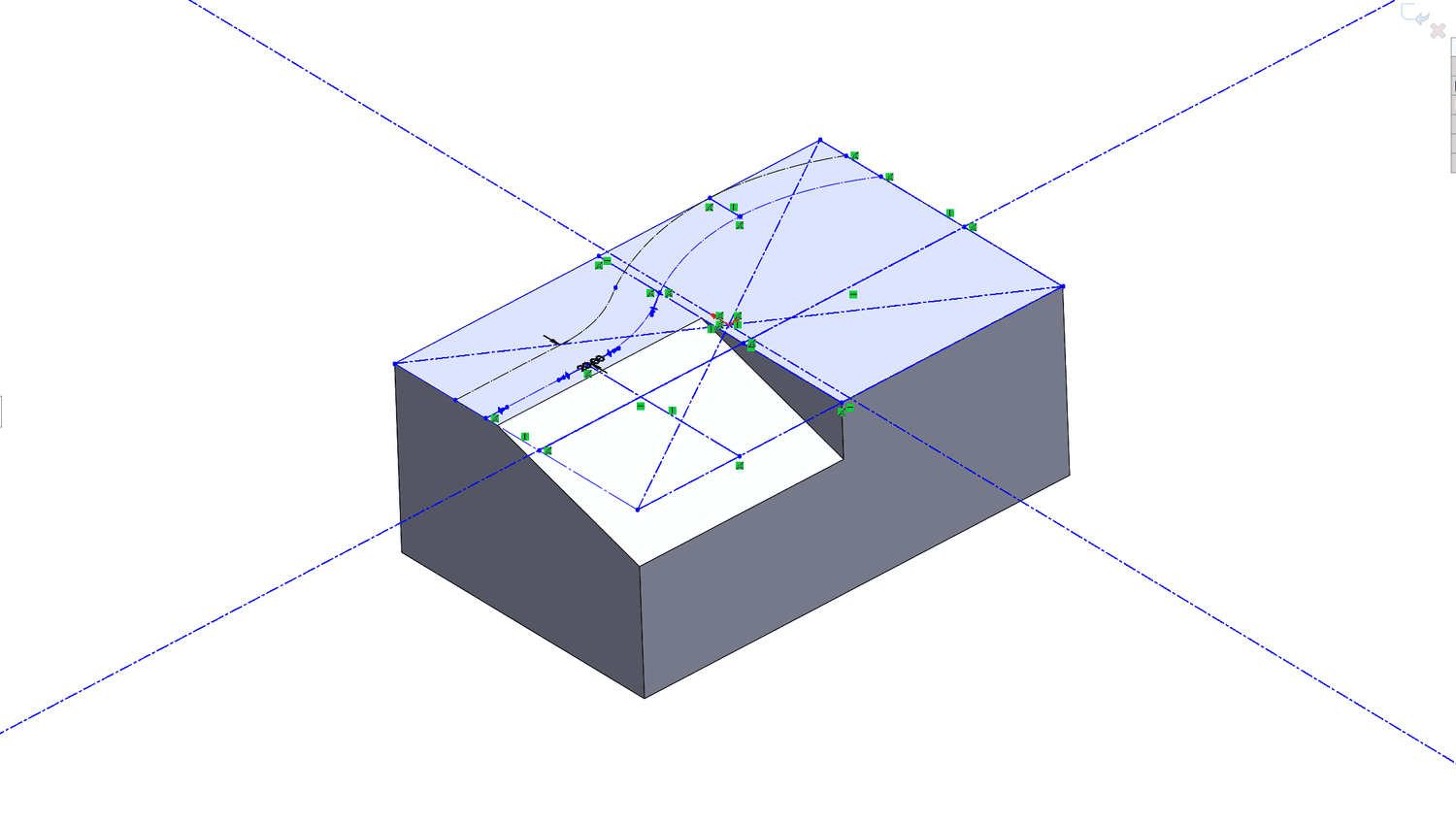
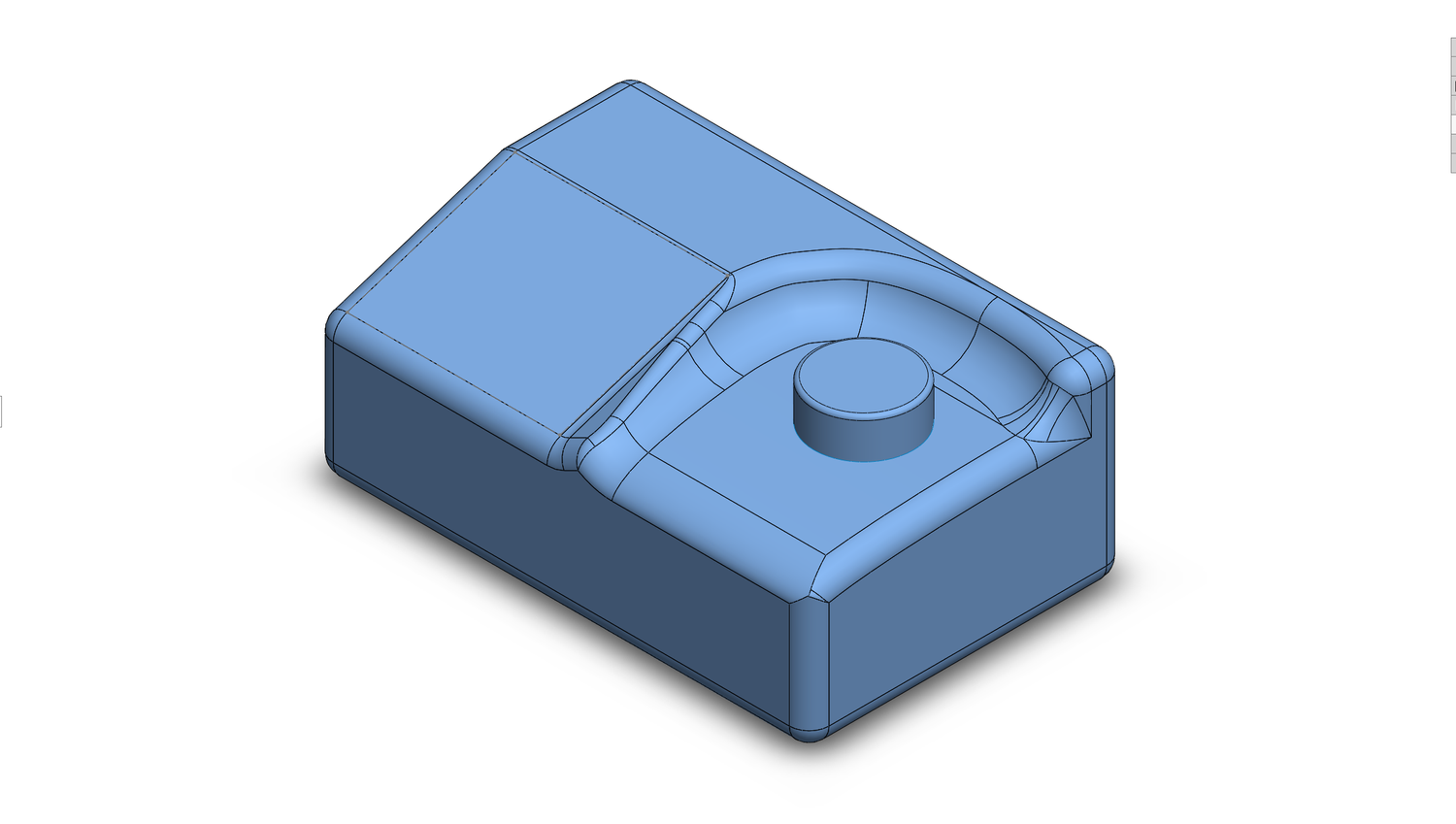
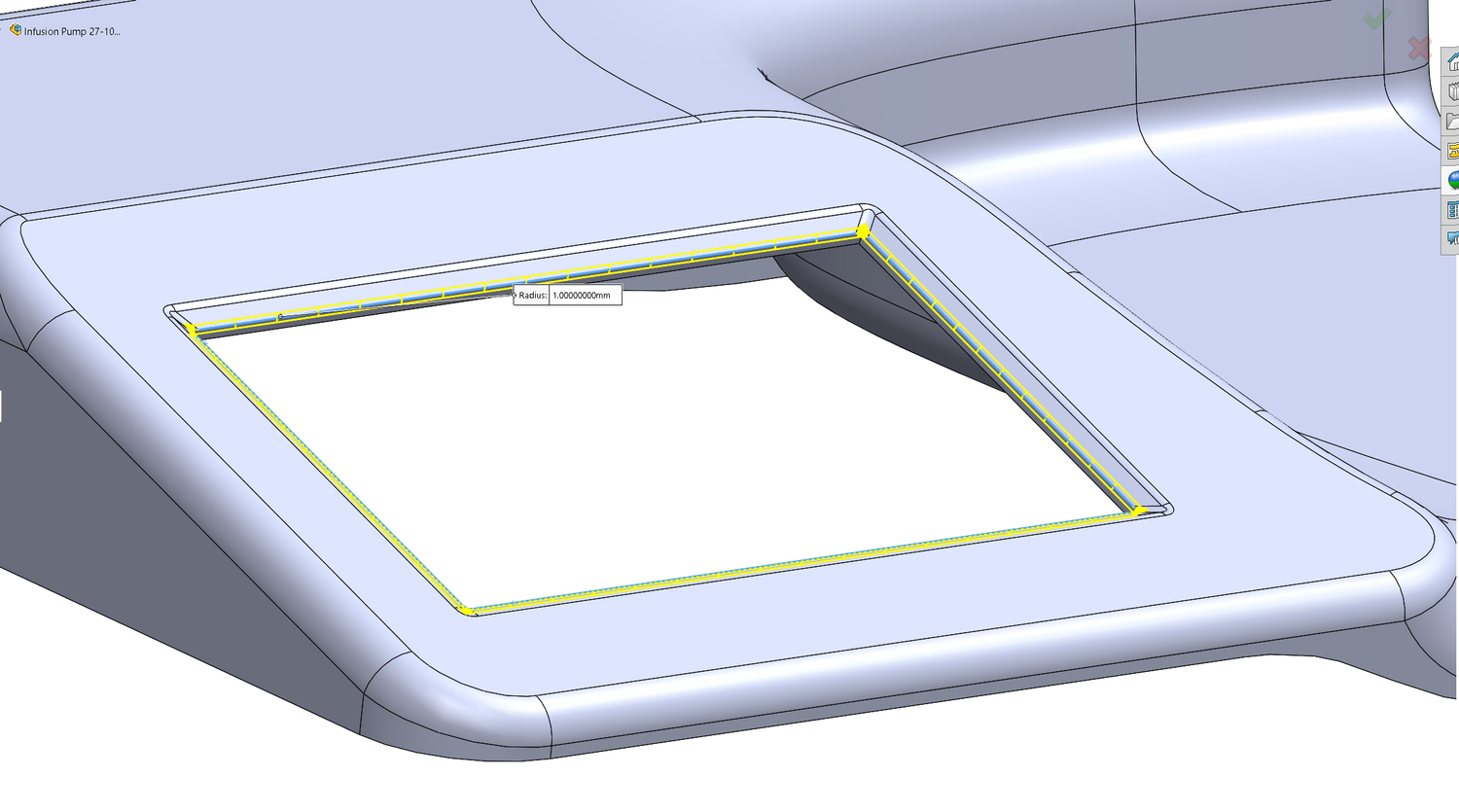
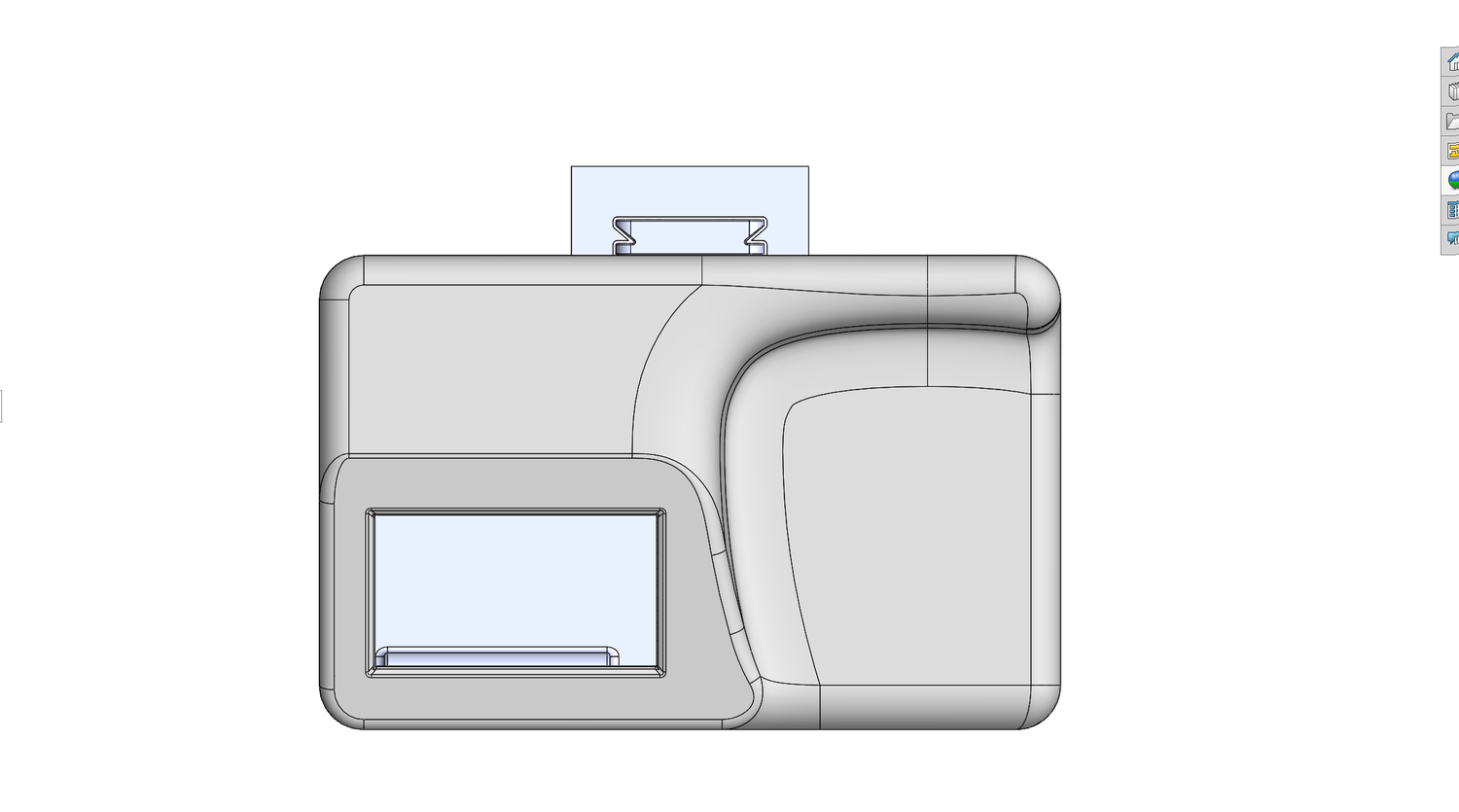
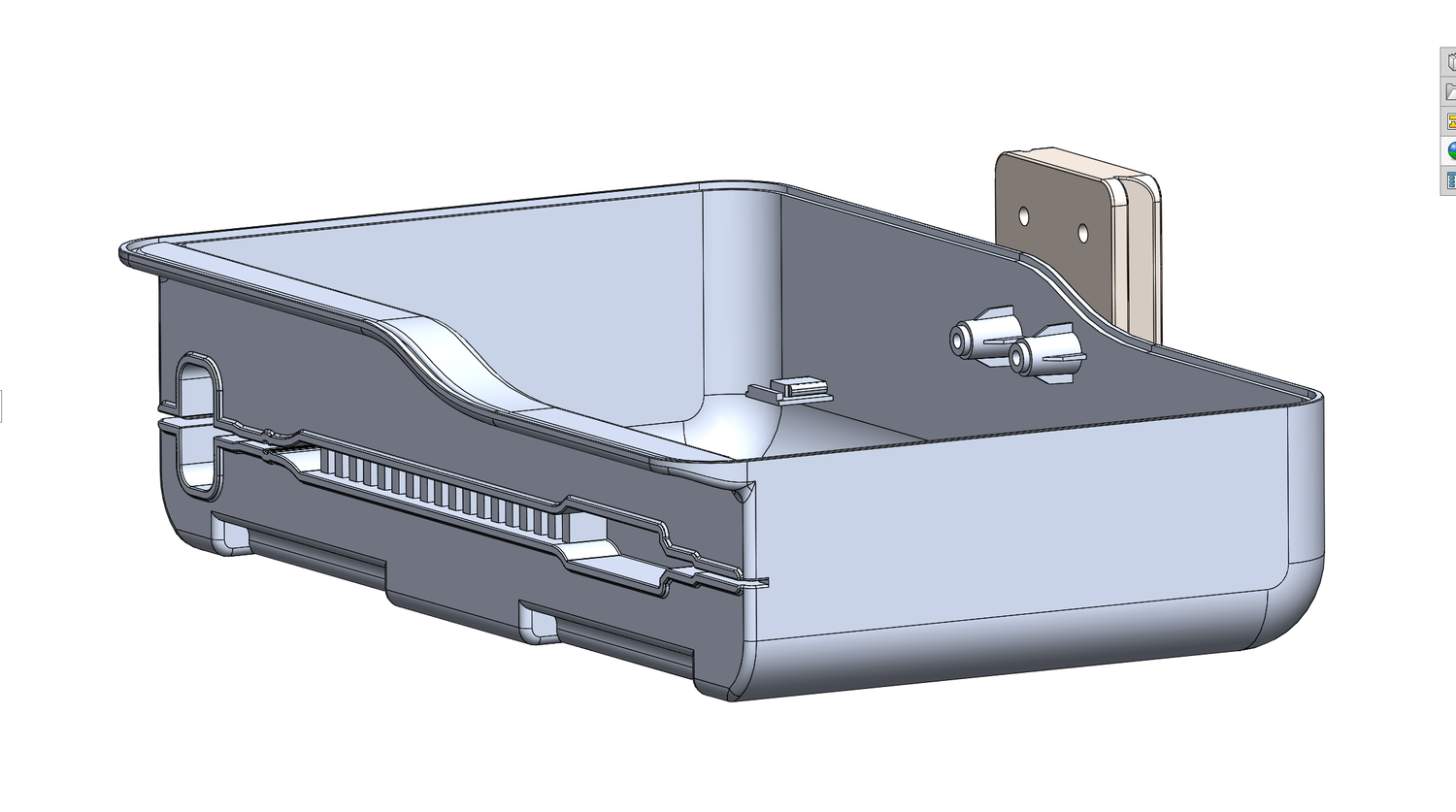
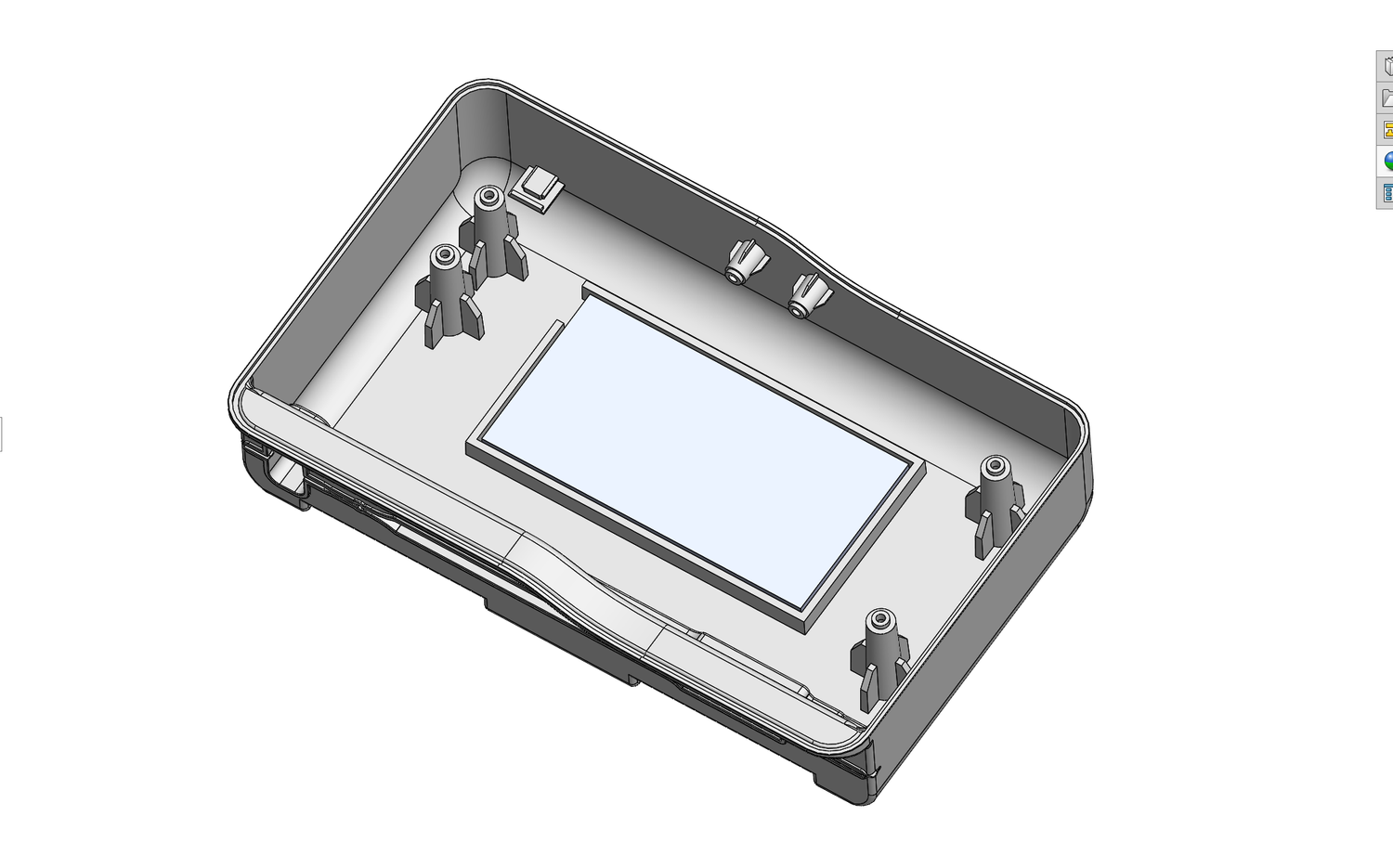
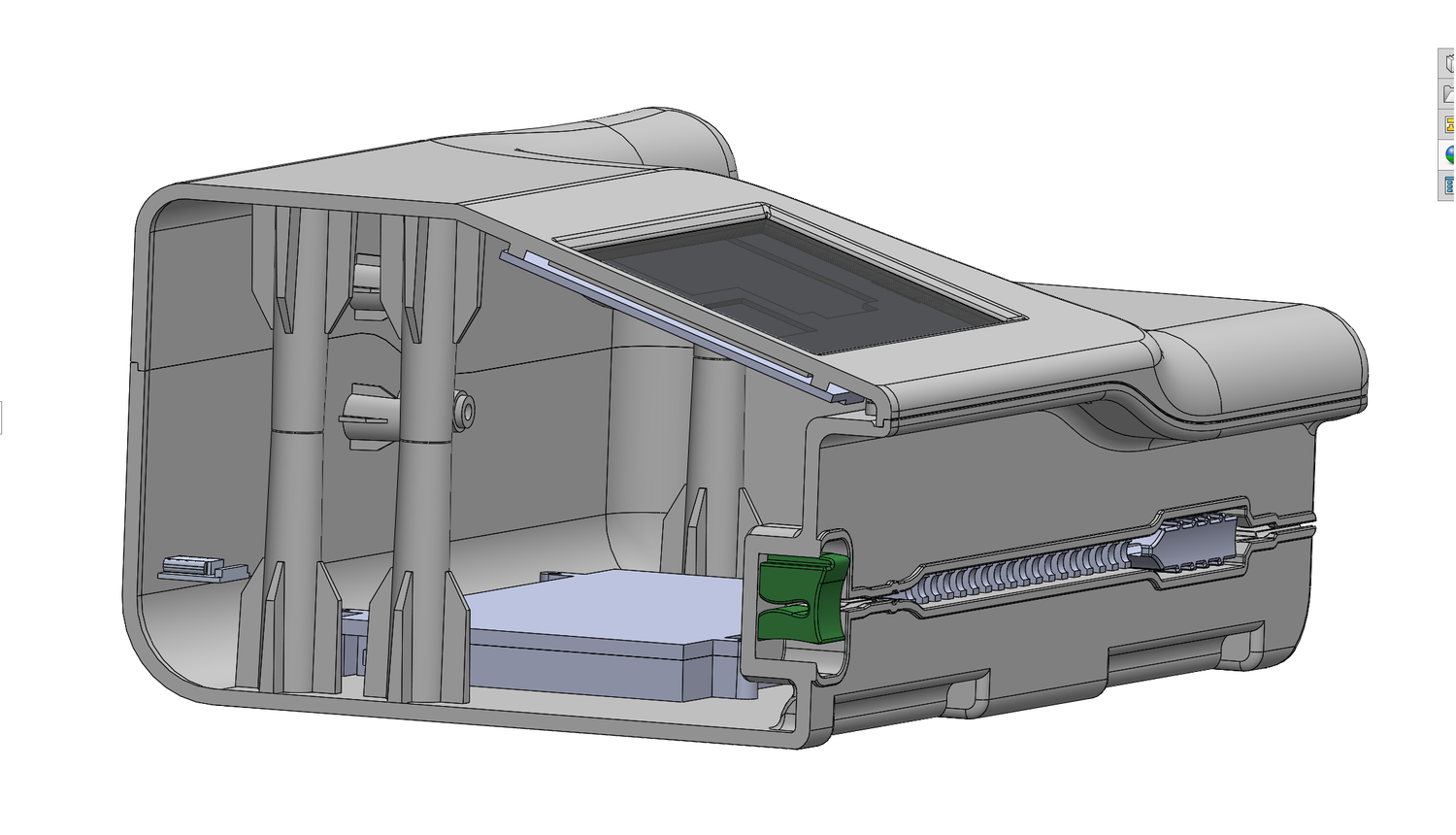
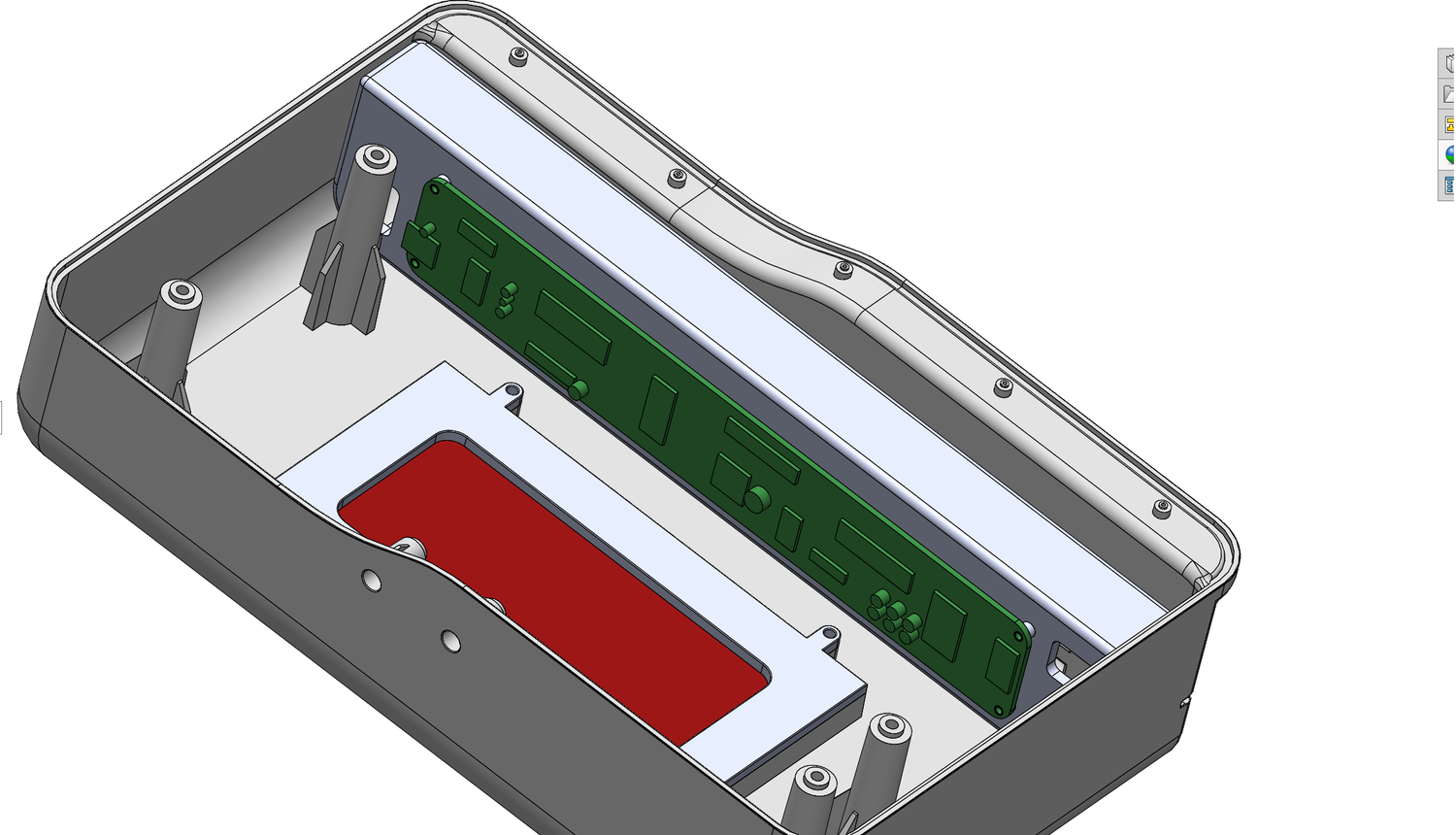
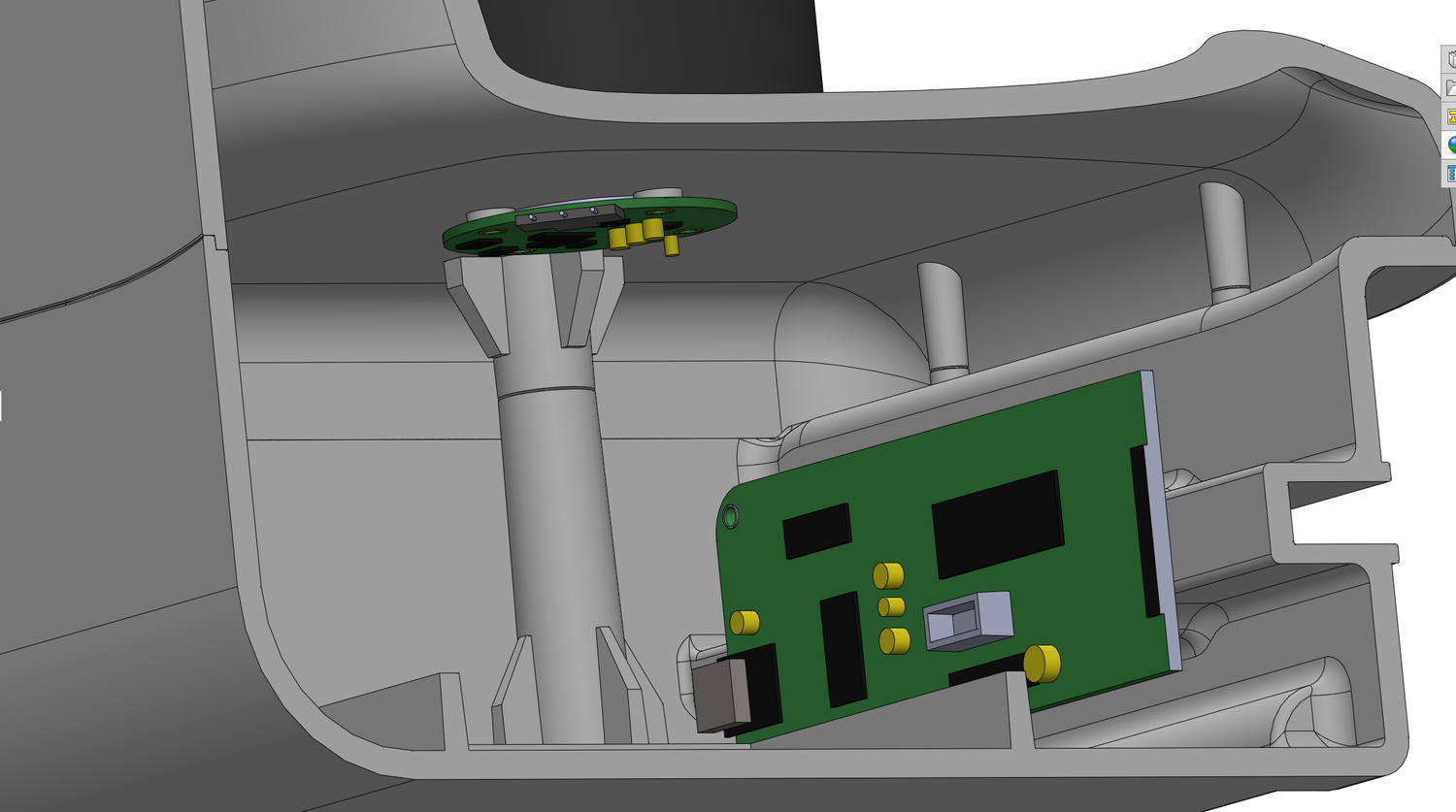
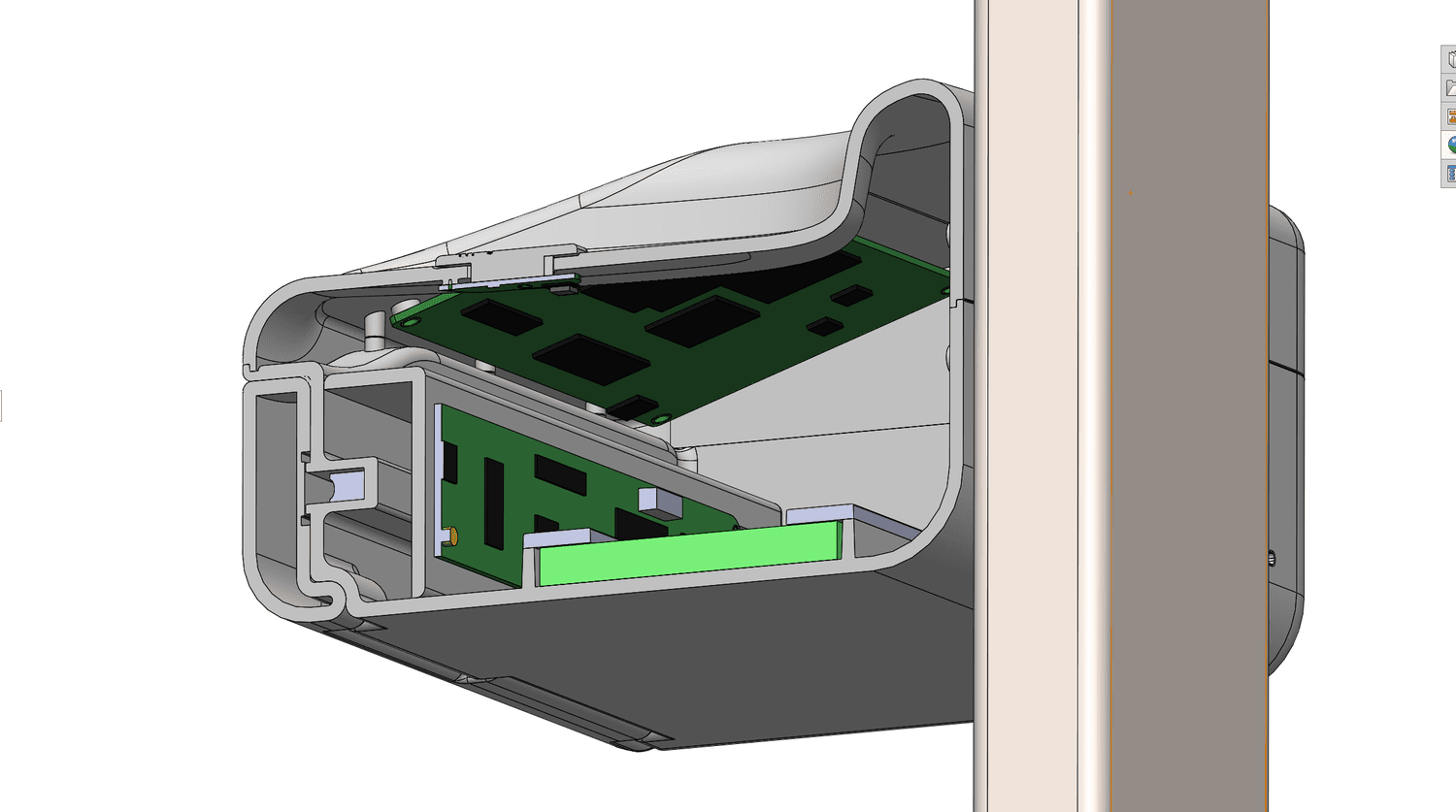
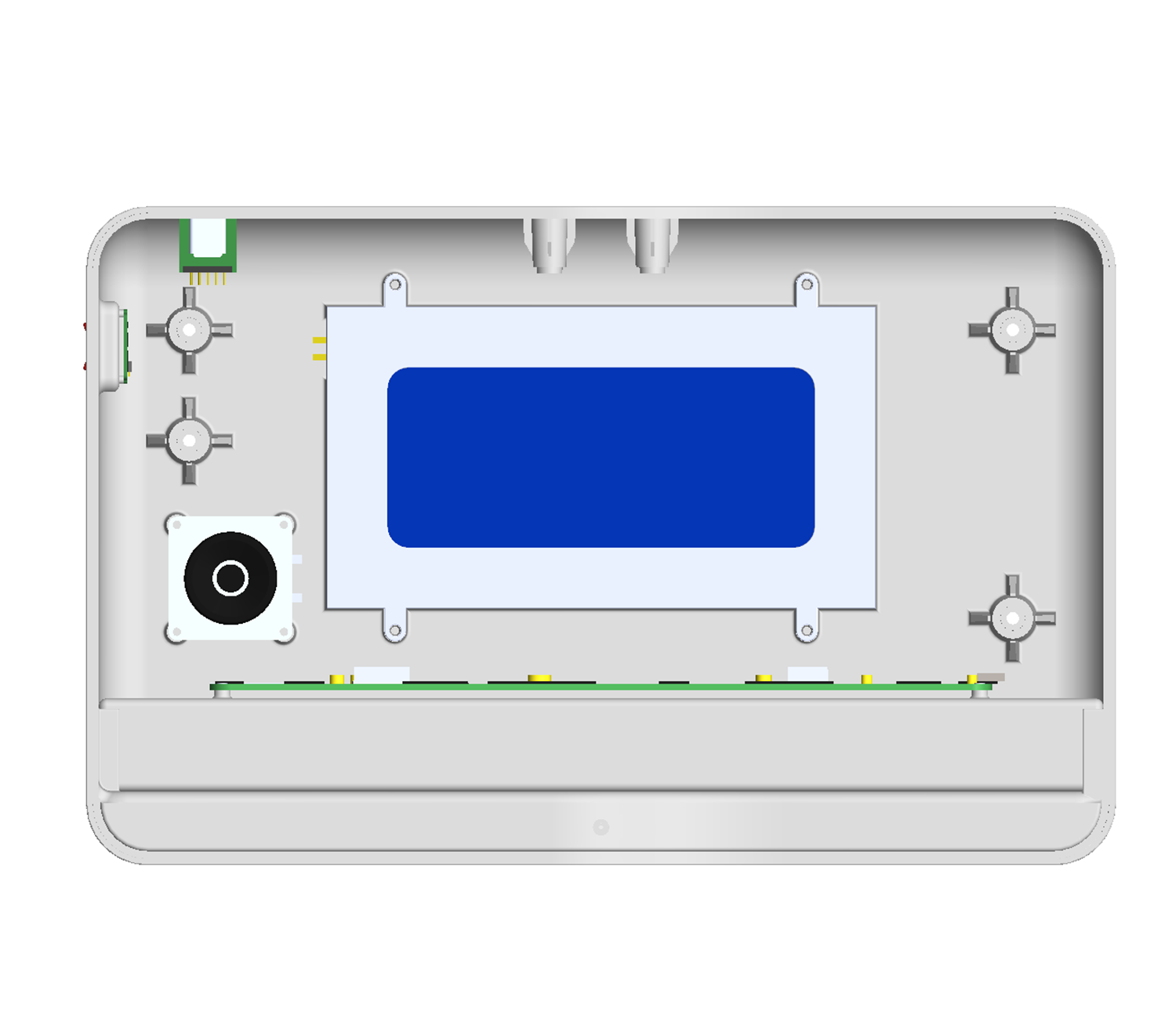
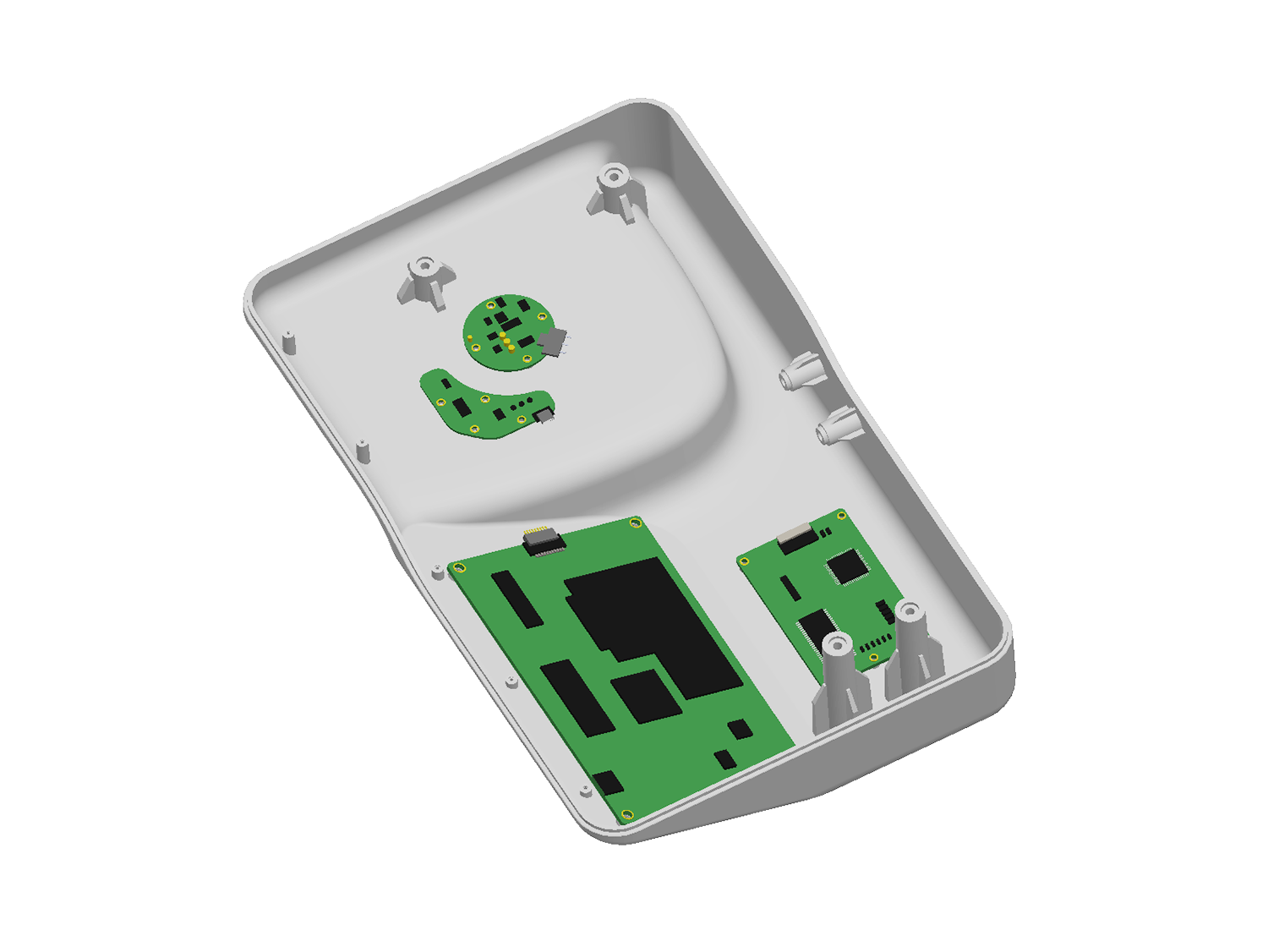
Hand models explored the form and how the dial sits under the hand. CAD development then resolved the housing, the mounting rail and the internal components.
Hand models9 photos
CAD development15 photos
06
Outcome
The final model
The presentation model was powder printed and finished in high-gloss acrylic with a UI overlay.